What is a Server Center and How Does it Work?
In today's digital world, a Server Center plays a crucial role in data management. Businesses rely on these hubs to store, manage, and distribute information. A Server Center houses multiple servers, ensuring efficient data processing. Each server operates individually but contributes to a larger network.
Moreover, the technology behind Server Centers is evolving rapidly. New advancements can enhance speed and reliability. However, as technology improves, challenges emerge. Ensuring security and maintaining uptime are ongoing struggles. Server Centers must adapt to increasing demands and evolving threats.
Understanding how a Server Center works is vital for businesses. It is not just about storage; it involves intricate processes that keep systems running smoothly. A well-operated Server Center can drive innovation and efficiency, but it requires careful management and foresight. The complexity of these centers can be overwhelming, and there is always more to learn.
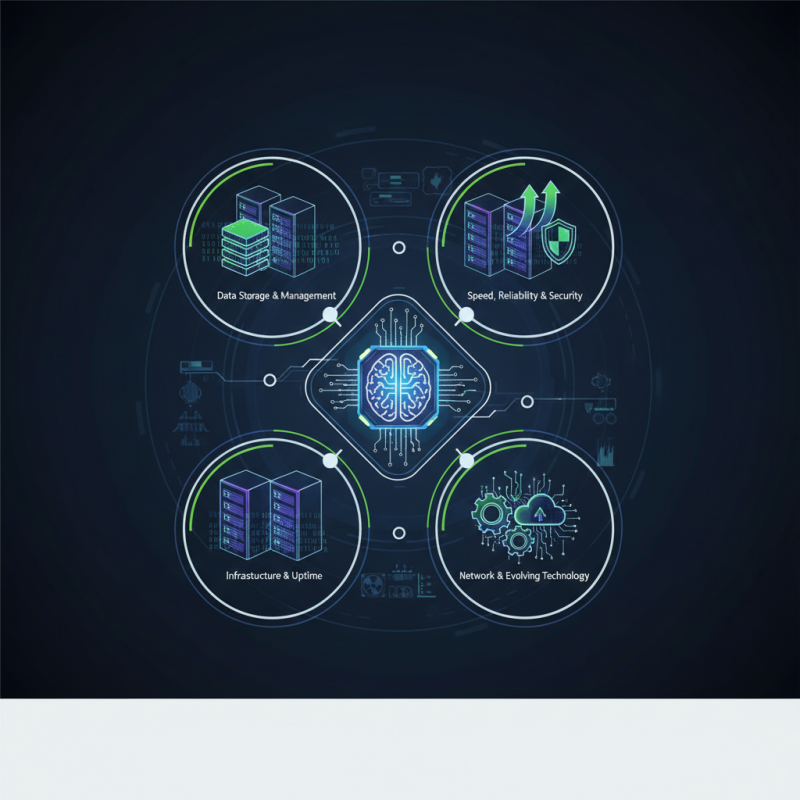
Understanding the Concept of a Server Center
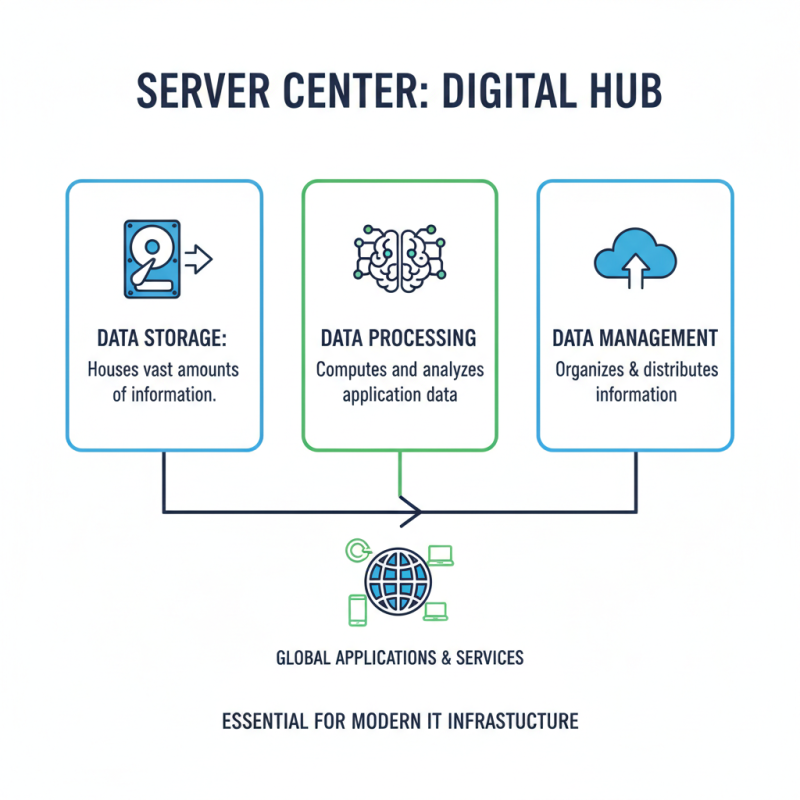
A server center is a crucial component in today’s digital landscape. It houses numerous servers that store, manage, and process data for various applications. Understanding how a server center operates is essential for grasping modern IT infrastructure.
Typically, a server center uses advanced cooling systems to maintain optimal temperatures. According to a recent industry report, energy consumption in data centers accounts for about 2% of the global electricity use. This figure emphasizes the need for efficient energy practices. Many server centers are adopting green technology, aiming to reduce their carbon footprint.
Tips: When considering server center design, focus on scalability. Being able to grow with demand is vital. Additionally, regular maintenance checks can prevent costly downtimes.
Security is another critical aspect. Data breaches can happen if servers are misconfigured. A study found that 70% of data breaches are due to internal errors. Hence, continuous education for staff is essential.
Tips: Regular training on security practices is imperative. Ensure all personnel understand their roles and responsibilities. It’s better to over-communicate than to risk vulnerability.
Key Components of a Server Center and Their Functions
A server center, or data center, is a facility that houses numerous servers. These servers process, store, and distribute data. The critical components of a server center include servers, storage systems, and networking devices. Each plays a specific role in ensuring smooth operations.
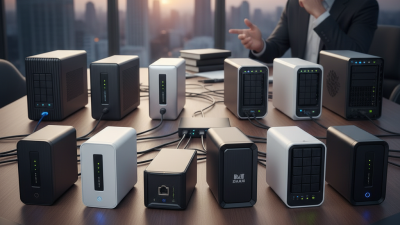
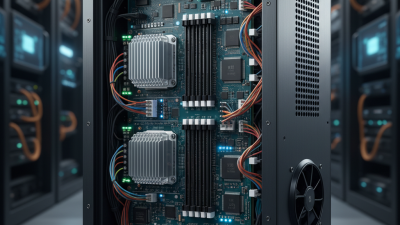
Servers are the heart of the server center. They perform computations and run applications. Different servers can have different functionalities. Some might handle databases, while others support web applications. Storage systems operate in tandem with servers. They keep vast amounts of data accessible. Speed and reliability are vital here.
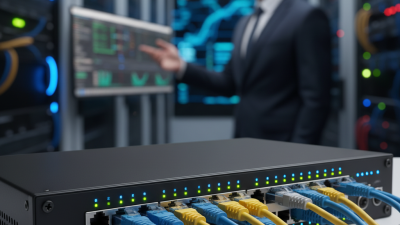
Networking devices connect servers to the internet and each other. Routers, switches, and firewalls ensure secure and efficient data flow. Proper configuration is crucial; poor setups can lead to bottlenecks. Cooling systems also deserve attention. Overheating can cripple performance. It’s vital to monitor temperatures continuously. However, sometimes organizations overlook these small details. Ensuring every component is optimized is a challenge. Each part contributes to the bigger picture, yet it’s easy to miss key aspects.
What is a Server Center and How Does it Work? - Key Components of a Server Center and Their Functions
| Component |
Function |
Importance |
| Servers |
Process and manage data, applications, and resources |
Critical for hosting services |
| Storage Systems |
Store data and provide backup solutions |
Essential for data integrity and availability |
| Networking Equipment |
Facilitate communication between components |
Key for connectivity and performance |
| Cooling Systems |
Maintain optimal temperature for servers |
Vital for hardware longevity |
| Power Supply Units |
Provide power to all components of the server center |
Essential for operational stability |
| Security Systems |
Protect the infrastructure from unauthorized access |
Crucial for safeguarding sensitive information |
| Monitoring Tools |
Track performance and health of the server center |
Important for preemptive maintenance |
How Server Centers Facilitate Data Storage and Management
Server centers play a crucial role in modern data storage and management. They are robust facilities designed to house multiple servers. These servers process and store vast amounts of information. By centralizing data, businesses can access it quickly and efficiently. The architecture is usually modular. This means each unit can be added or removed as needed. Scalability is a major advantage here.
Within these centers, data is organized meticulously. Multiple layers of security ensure that sensitive information is protected. Physical barriers, like locked doors, complement digital safeguards. Yet, some server centers still face challenges. Power outages and equipment failures can disrupt operations. Regular maintenance and updates are crucial but often overlooked. Reflecting on past mistakes, managers must prioritize resilience in their strategies.
Data management in server centers involves complex systems. Software solutions help in tracking usage and performance. However, not all tools are equally effective. Some may become outdated quickly. Regular evaluations of these systems can reveal areas for improvement. Streamlining processes can reduce errors and boost productivity, but it requires consistent effort.
Data Storage Capacity in Different Server Centers
The Role of Networking in Server Center Operations
Networking plays a crucial role in server center operations. It connects servers, storage systems, and various devices. This interconnection ensures data can flow seamlessly across the network. Efficient networking protocols minimize delays. High-speed connections are vital. Yet, not all connections are flawless. Latency can sometimes cause issues.
In a server center, routers and switches manage data traffic. They direct data packets to their correct destinations. Proper configuration is essential. Misconfigurations lead to bottlenecks. Network security also demands attention. Firewalls protect sensitive data but can introduce complexities. Striking a balance between security and efficiency is challenging.
Networking is not just about hardware. It involves software solutions too. Network monitoring tools provide insights. They help identify issues before they escalate. However, these tools require ongoing management. Neglecting updates can leave vulnerabilities unaddressed. Moreover, as technology evolves, so do networking needs. There is always more to learn and improve.
Best Practices for Maintaining and Securing a Server Center
Maintaining and securing a server center is crucial for ensuring uninterrupted operations. A report from the Ponemon Institute indicates that the average cost of a data breach can exceed $3.86 million. This highlights the importance of proactive security measures. Regularly updating software and operating systems can help close vulnerabilities that might be exploited by attackers.
Implementing strict access controls is essential. Only authorized personnel should have access to sensitive areas of the server center. The loss of access control measures can lead to unintentional data exposure. Additionally, physical security is often overlooked. A study shows that 30% of breaches occur due to inadequate physical security measures. Implementing surveillance systems and restricted access can mitigate this risk.
Data backups must not be ignored. Regular backups safeguard against unexpected data loss. However, a surprising number of organizations do not test their backup systems regularly. This oversight could lead to significant recovery issues after a breach or outage. Teams should actively review and rehearse recovery plans to ensure readiness. Security audits can also help identify weaknesses before they become serious problems.