How to Choose the Best Router Adapter for Your Needs?
Choosing the right Router Adapter can greatly enhance your internet experience. It’s essential to understand your specific needs before making a selection. A Router Adapter connects your devices to the internet. Different models offer various features, speeds, and compatibility. Understanding these aspects is crucial for optimal performance.
Many consumers often overlook compatibility issues. Some adapters work well with specific routers only. Researching the model’s compatibility will save you time and frustration. Additionally, consider the speed ratings. Higher speed ratings usually indicate better performance. However, not all homes require the highest available speeds.
Think about your internet usage. If you stream videos or game online, a faster Router Adapter is beneficial. On the other hand, basic browsing and emails may not need the latest technology. Weighing your needs against the specs can lead to better choices. Remember, the best Router Adapter for others may not suit you.
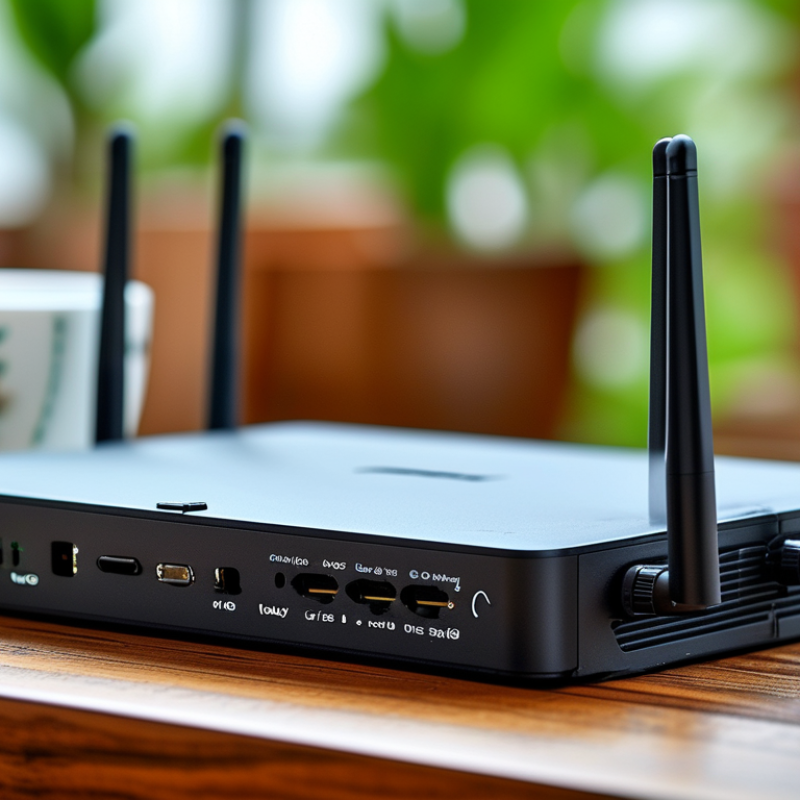
Understanding the Different Types of Router Adapters Available in the Market
When selecting a router adapter, it's essential to understand the different types available. Router adapters vary in their form and function. Some are designed for wired connections, while others facilitate wireless setups. Understanding these types can help you make a more informed choice.
There are three main types of router adapters:
Ethernet adapters connect directly to your router, ensuring a stable and fast connection.
Wi-Fi extenders amplify your router’s signal, expanding coverage in larger spaces.
Powerline adapters use your home's electrical wiring to transmit internet signals, making them ideal for hard-to-reach areas. Each type comes with its own advantages.
Choosing the right adapter isn't always straightforward. It’s crucial to consider your home layout and internet needs. For instance, if you need a robust connection for gaming, an Ethernet adapter may be best. On the other hand, a Wi-Fi extender can benefit those with dead zones. Reflecting on your specific requirements can ultimately guide you towards the best option.
Key Specifications to Consider When Choosing a Router Adapter
Choosing the right router adapter involves understanding key specifications. Start with compatibility. Not all adapters work with every router. Ensure the adapter matches your router's input requirements. Check the voltage and amperage ratings. This will prevent potential damage.
Speed rating is another essential factor. Look for adapters that support the maximum speed of your internet connection. Higher wattage does not always mean better performance. Sometimes a lower wattage adapter works just fine. It’s vital to read user reviews. These insights can offer perspectives based on real experiences.
Consider the adapter's durability. A more robust design means a longer lifespan. Lightweight units may seem appealing, but they could break easily. User feedback often highlights the benefits of heavy-duty options. It’s worth reflecting on the balance between portability and sturdiness. Overall, make sure you choose wisely.
Evaluating Compatibility: Ensuring Your Adapter Works with Existing Devices
When choosing a router adapter, compatibility is crucial. Many devices may not communicate effectively if they do not match standards. According to a report by the Ethernet Alliance, nearly 30% of users experience performance issues due to this mismatch. Ensuring your adapter is compatible with existing devices helps maintain seamless network performance.
For instance, many home devices still use the older 802.11n standard. Newer adapters support advanced technologies, offering speeds up to four times faster. Yet, they can struggle with older technology. A 2021 study indicated that 15% of home networks suffer slowdowns due to incompatible equipment. Additionally, how many users actually check these specifications? It’s essential to pay attention to the details, such as supported protocols and port configurations.
Remember, not all adapters are created equal. Many online reviews point out frustration over adapters that don't bring the anticipated enhancement. This could lead to wasted time and cost. Evaluating features like range and signal strength can guide your decision. Consider compatibility not just with the router but all connected devices in your home.
How to Choose the Best Router Adapter for Your Needs?
| Router Feature |
Importance Level |
Compatibility with Common Devices |
Recommended Adapter Type |
| Wi-Fi Standard (e.g., 802.11ac) |
High |
Smartphones, Laptops |
Dual-band Adapter |
| Number of Ports |
Medium |
Desktops, Gaming Consoles |
Multi-Port Adapter |
| Frequency Bands |
High |
Smart Home Devices |
Dual-band/tri-band Adapter |
| Security Features |
High |
All Devices |
Adapter with WPA3 Support |
| Range |
Medium |
Floor-to-Floor Connectivity |
Range Extender Adapter |
Performance Metrics: Speed, Range, and Signal Stability in Router Adapters
When selecting a router adapter, it's essential to focus on key performance metrics like speed, range, and signal stability. Speed is often the first factor considered. It's crucial to assess the maximum throughput the adapter can handle. High-speed connections can enhance your streaming and gaming experiences. However, a higher speed rating does not always guarantee better performance in varying conditions.
Range is another aspect worth examining. An adapter's range determines how far away from the router you can be while maintaining a stable connection. Poor range can lead to dead zones, where the signal fails. You might find that an adapter performs well in a lab setting but struggles in your home. Testing it in different rooms is vital.
Signal stability plays a crucial role in overall performance. A stable signal ensures fewer dropouts and interruptions. It is essential to consider how well the adapter manages interference from other devices. Sometimes, the best theoretical performance does not reflect in real-world use. Observing how the adapter handles multiple connected devices can reveal its true reliability.
Expert Recommendations: Top Brands and Models for Various Use Cases
When selecting a router adapter, you should consider various factors, including the intended use. For home networks, a model with dual-band capabilities is often recommended. According to industry reports, dual-band routers can provide up to twice the speed compared to single-band models.
For gaming or high-performance needs, an adapter with MU-MIMO technology may be essential. This ensures multiple devices can connect without sacrificing speed. Studies indicate that gaming routers can reduce lag times by up to 70%, which is crucial for an uninterrupted experience.
Small businesses may require a different approach. A robust router adapter with VPN capabilities is preferred to secure data transmission. Data suggests that over 30% of small businesses experience data breaches. Thus, investing in proper equipment is not just a choice; it's a necessity for reliable operation.
Consider additional features, such as a user-friendly interface. Some adapters offer intuitive setups, reducing the learning curve for non-technical users. However, not every model is straightforward. Researching expert reviews can save you from pitfalls associated with poorly designed interfaces.