A Juniper MX480 can be a substantial investment, and its price is rarely a single, universal figure. For global buyers, the final quote may depend on hardware configuration, component condition, seller location, warranty coverage, and available support. A chassis listed at an attractive price may not include the line cards, power supplies, or software options your network requires. Details matter.
This guide to 2026 Juniper MX480 pricing explains what to check before requesting or comparing quotes. Buyers should confirm whether equipment is new, refurbished, or previously deployed, and ask for a clear parts list. Verify model numbers, included accessories, warranty terms, and shipping arrangements in writing. Regional taxes, currency changes, and delivery costs can also affect the total. Those costs are easy to overlook.
The figures discussed should be treated as budgeting guidance, not a guaranteed offer. Pricing changes with stock, configuration, and supplier terms, so request current documentation from qualified vendors. Where possible, compare like-for-like configurations and clarify what technical support is included. A lower headline price may not represent better long-term value if essential components or coverage are missing.
There is no shortcut here. Even experienced procurement teams can miss a small configuration detail that changes the quote. Use this overview to prepare practical questions, assess vendor claims, and build a more realistic budget for a Juniper MX480 purchase. Verify every specification before committing.
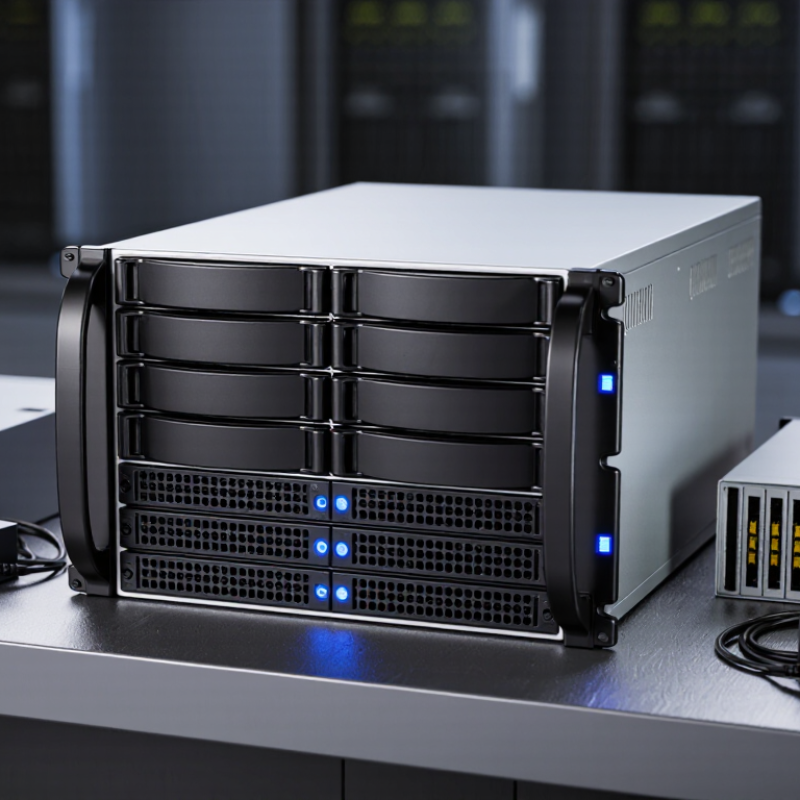
The MX480 is a high-capacity routing platform designed for demanding global networks. It supports large traffic volumes between data centers, internet exchanges, and regional hubs. In practical deployments, its modular design helps teams expand ports without replacing the entire chassis. Engineers often value predictable forwarding, strong redundancy, and clear monitoring during traffic peaks. A busy rack may include multiple line cards, redundant control modules, and carefully labeled fiber connections. That physical order matters during urgent maintenance.
For global buyers, the 2026 MX480 price should not be judged by the chassis alone. Line cards, optics, licenses, power modules, shipping, taxes, and technical support can change the final cost sharply. My first estimate was too optimistic. Regional availability also affects delivery time and replacement planning. A lower purchase price may hide older hardware, limited warranty coverage, or higher energy use. Check serial records, tested condition, software compatibility, and return terms before approving an order.
Tips: Request a complete bill of materials. Compare new, refurbished, and spare-unit options. Confirm voltage, airflow direction, rack depth, and local service coverage. Ask for recent diagnostic reports, not only product photographs. Keep spare optics and power components on site when downtime is costly. Document every configuration change. Small omissions become expensive later.
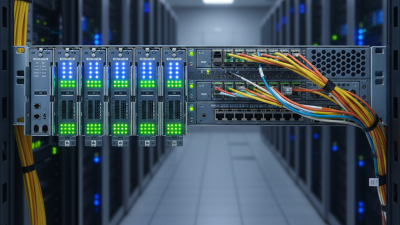
Pricing for a used MX480-class router in 2026 depends less on its chassis alone than on what arrives inside it. A unit with multiple line cards, power supplies, and functioning fan trays can cost far more than a bare frame. Check the exact card models and port speeds. A photo of the front is not enough.
Condition and testing also shape the quote. Ask whether the seller has powered on the system, checked alarms, and recorded component serial numbers. A router that passes a brief bench test may still behave differently under sustained traffic. That uncertainty matters. Request a written test report, and clarify whether replacement parts are included. Cosmetic wear is usually less important than missing modules or damaged connectors.
Shipping can change the final price, especially for a heavy chassis that needs careful crating. Confirm the packed weight, insurance, delivery terms, and estimated transit time before comparing offers. Support availability may add cost, but it can reduce downtime when a critical card fails.
One detail is easy to overlook: older hardware may consume more power than expected. Estimate electricity and cooling needs for your rack, not just the purchase price. Quotes can look precise while hiding gaps; compare the included equipment line by line.
In 2026, the purchase price of an MX480 depends more on configuration than its product label. A basic chassis with fewer modules may look attractive, but it can require costly upgrades later. Check the installed line cards, routing engines, power supplies, fan trays, and port speeds. Compatible optics and cables also affect the final budget.
Condition creates another major price difference. A tested unit with clean connectors, stable fans, and documented maintenance usually costs more than an untested surplus unit. Ask for recent boot records, alarm history, serial details, and clear photographs of every module. A short warranty adds practical value for global buyers. Shipping protection matters too.
My own price estimates have sometimes been wrong. I once focused on the chassis and underestimated the cost of missing power components. That mistake changed my buying checklist. Buyers should compare complete system prices, not isolated hardware prices. Older software, limited memory, or mixed-condition modules can reduce reliability and resale value. However, refurbished equipment is not automatically a poor choice. An experienced technician, transparent test results, and realistic return terms can make it worthwhile. Prices also vary with regional freight, import procedures, currency changes, and available inventory. Ask precise questions before paying. Small omissions become expensive surprises.
| Configuration or Condition | Typical Included Items | Indicative Price Range (USD) | Main Price Factors |
|---|---|---|---|
| Base chassis, used | Chassis only; no line cards or software entitlements included | $2,000–$8,000 | Cosmetic and operational condition, included fan trays, power supplies, and remaining support coverage |
| Chassis with redundant power | Used chassis with two compatible power supplies and fan trays | $4,000–$12,000 | Power-supply type, tested status, completeness, and seller warranty |
| Entry configuration with interface cards | Chassis, redundant power, and a small set of lower-density interface cards | $8,000–$25,000 | Card type and count, port speed, optics included, and hardware revisions |
| Mid-range configuration | Chassis, redundant power, multiple interface cards, and control-plane components | $20,000–$60,000 | Installed forwarding capacity, port mix, card generation, and tested configuration |
| High-capacity configuration | Chassis with several higher-capacity cards and redundant core components | $50,000–$150,000+ | Aggregate throughput, high-speed port density, included optics, and software or support rights |
| Refurbished and tested system | Cleaned and function-tested equipment, typically with a limited reseller warranty | Usually 10%–30% above comparable as-is equipment | Test documentation, warranty length, return terms, and replacement-part availability |
| As-is or untested system | Equipment sold without a confirmed operational test or meaningful warranty | Often 20%–50% below tested equipment | Risk of faults, missing components, repair costs, and restricted return options |
| New or new-old-stock system | Unused or boxed equipment; availability and support eligibility may vary | Quote-dependent; may exceed comparable used systems substantially | Stock condition, warranty status, software entitlement transferability, and regional availability |
| Price ranges are broad 2026 USD budgeting estimates, not live quotations. Actual purchase prices vary by configuration, region, seller, taxes, shipping, import duties, software rights, support eligibility, and the ability to verify each component. Confirm part numbers, compatibility, licensing, and return terms before purchase. | |||
For global buyers, the purchase price of a modular routing platform is only one part of the budget. Regional availability can shift the quoted cost, especially when stock is limited or equipment must travel across several borders. A unit sourced near the buyer may arrive sooner, while a lower overseas quote can lose its advantage after freight, insurance, and handling fees. Ask for a dated quotation that separates hardware, accessories, and shipping. Small details matter.
Import taxes and customs charges vary by destination and declared shipment details. Confirm who pays these costs before placing an order; otherwise, a package may pause at a warehouse while fees are clarified. Request the equipment’s weight, dimensions, origin documentation, and delivery terms. These details help a freight provider estimate costs more accurately. They do not guarantee the final bill, though. Charges can change, and estimates sometimes miss local handling fees. That uncertainty deserves room in the budget.
Tips: Compare landed cost, not just the listed price. Get freight and tax estimates in writing, check delivery coverage, and allow extra time for customs processing. Keep a modest reserve for unexpected charges. It may feel overly cautious, but cross-border planning is rarely improved by optimistic guesses.
A low MX480 quote is only a starting point. Compare each offer line by line: chassis, routing engines, power supplies, interface cards, optics, software entitlements, and support term. Confirm whether components are new, refurbished, or mixed, and ask for serial-number verification and warranty details. A missing optic or incompatible card can turn an attractive quote into a costly delay. Request the exact configuration and delivery lead time in writing.
Total ownership cost also includes electricity, rack space, cooling, installation, spares, and support renewals. Uptime Institute’s 2024 Global Data Center Survey reported a median data-center PUE of 1.56. That figure is a facility-wide benchmark, not a direct estimate of one router’s power cost. For a useful comparison, calculate annual consumption from the quoted system’s measured or specified draw, then apply your site’s electricity rate and cooling overhead. The estimate will still be imperfect; actual load and airflow matter.
Tips: Compare like-for-like configurations, not headline prices. Ask sellers to disclose exclusions, support response times, and component condition. Keep the assumptions beside each quote, including power draw and expected utilization. A spreadsheet helps. Recheck figures against your own site records before approving a purchase.